World Center for Strategic Studies
From closed analysis to public debate

- MONTH
- YEAR

Britain’s Brexit Hangover: Starmer Falls, Chaos Stays
The Atlantic Council dispatch paints a grim picture of a country still trapped in the aftershock of Brexit.
Keir Starmer’s exit is not treated as a clean reset, but as another sign of Britain’s broken political machine.
A decade after the referendum, voters remain furious about prices, healthcare, immigration and the economy.
The danger is stark: London keeps changing leaders, but the national malaise refuses to move.
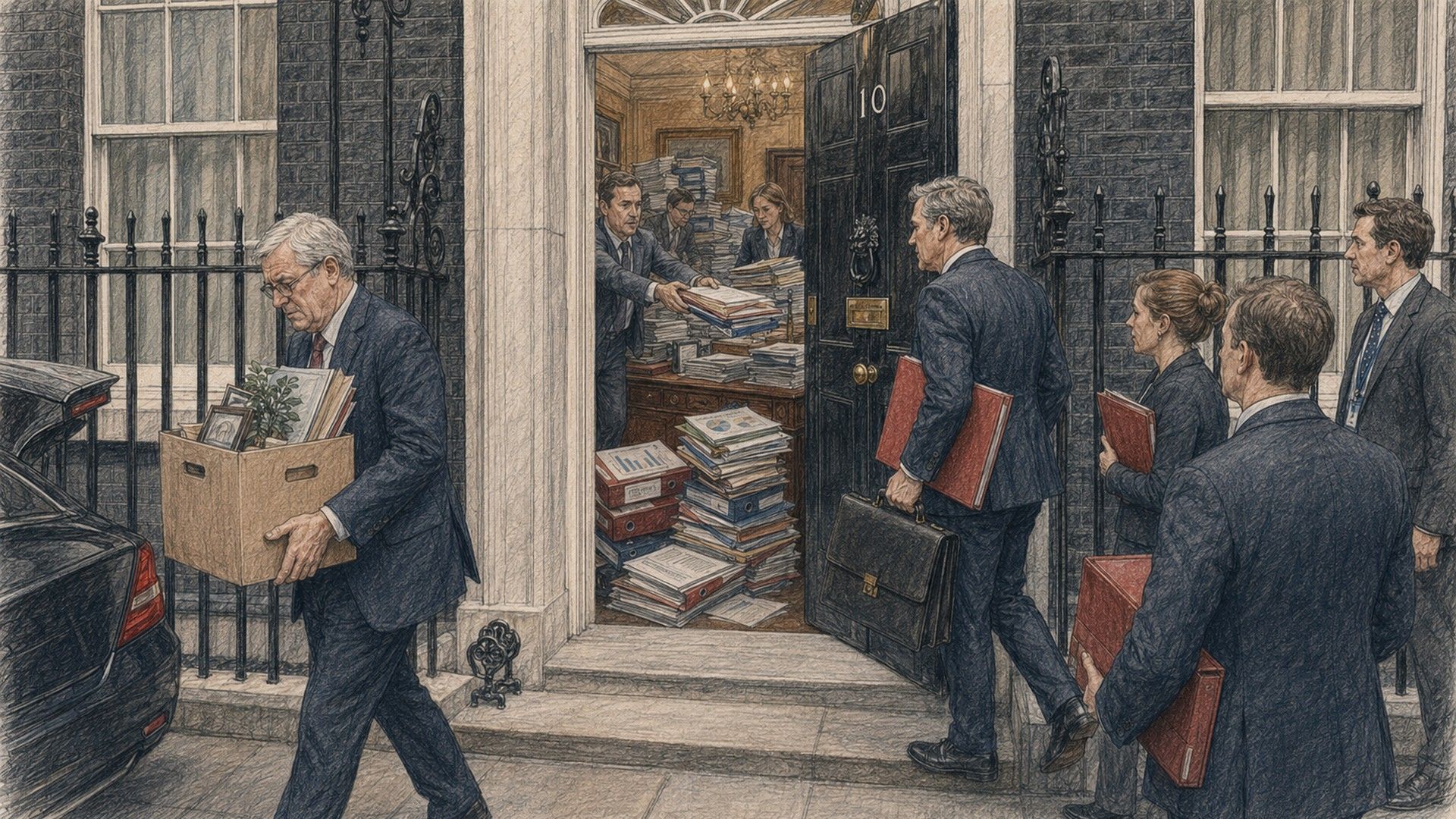
Starmer goes – the crisis stays
Starmer’s decision to resign may avoid an ugly Labour leadership war, but it does not solve the deeper problem. Britain has become used to political churn, and the dispatch argues that this instability is now part of the post-Brexit landscape.
Andy Burnham may soon walk into Downing Street, but he will inherit a country with little patience left. He has had little time to build a team, little time to shape policy, and no easy route through the economic mess ahead.
Brexit did this to Britain
The paper is blunt about the source of the damage. Brexit promised control, prosperity and renewal. Instead, Britain got years of leadership turmoil, weaker growth and a widening gulf between voters and politicians.
The Conservatives failed to turn the Brexit dream into a working national strategy. Labour then won power, but with shallow public enthusiasm and a huge parliamentary majority built on limited voter support. That left Starmer exposed from the start.
Voters want answers now
The dispatch underlines the brutal political reality facing Burnham. The public is not waiting for clever constitutional debates or long policy reviews. People are worried about the cost of living, the economy, the NHS and illegal immigration.
That is where Labour has looked weak. Starmer never convinced voters that he understood their pressure. His winter fuel payment row damaged trust early, and even reversing course failed to repair the hit.
The EU is not a magic exit
Some in Labour may dream of rejoining the European Union, but the dispatch warns against treating that as a quick fix. Brexit has clearly carried a serious economic cost, with the United Kingdom’s potential GDP hit hard.
But rejoining would be slow, painful and politically complex. A five-to-ten-year accession process cannot be sold to voters who want relief now. Britain may regret Brexit, but regret is not an economic plan.
The state is under strain
Burnham’s challenge is made harsher by the condition of public services and national finances. The NHS faces a major deficit. Energy prices remain among the highest in Europe. Defence spending has already split the cabinet, with senior resignations adding to the sense of drift.
This is not just a leadership problem. It is a governing problem. Britain needs money, reform and credibility at the same time – and all three are in short supply.
Labour risks copying the Tory disease
The dispatch’s sharpest warning is internal. Labour helped bring down its own prime minister, just as the Conservatives spent years tearing themselves apart over Brexit and power.
If Labour treats Burnham’s first mistakes as an excuse for another round of plotting, Britain will stay stuck. The country does not need another palace drama. It needs a government capable of making hard choices and explaining them.
The warning sign: Britain is still paying for Brexit.
Starmer’s fall is not the end of the story. It is another symptom of a political class that has lost public trust and still has no convincing answer to the damage left behind.
Burnham may offer a fresher face, but he will not get a fresh country. Britain’s problems are already waiting on the desk.