World Center for Strategic Studies
From closed analysis to public debate
- MONTH
- YEAR

Europe’s New Intervention Game: Less Peacekeeping, More Weapons
The DIIS brief warns that Europe’s idea of strategic autonomy is changing fast.
This is no longer mainly about crisis missions, statebuilding or flying the EU flag in fragile states.
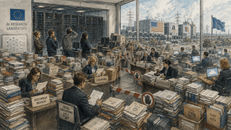
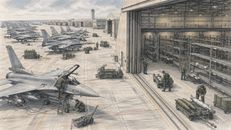
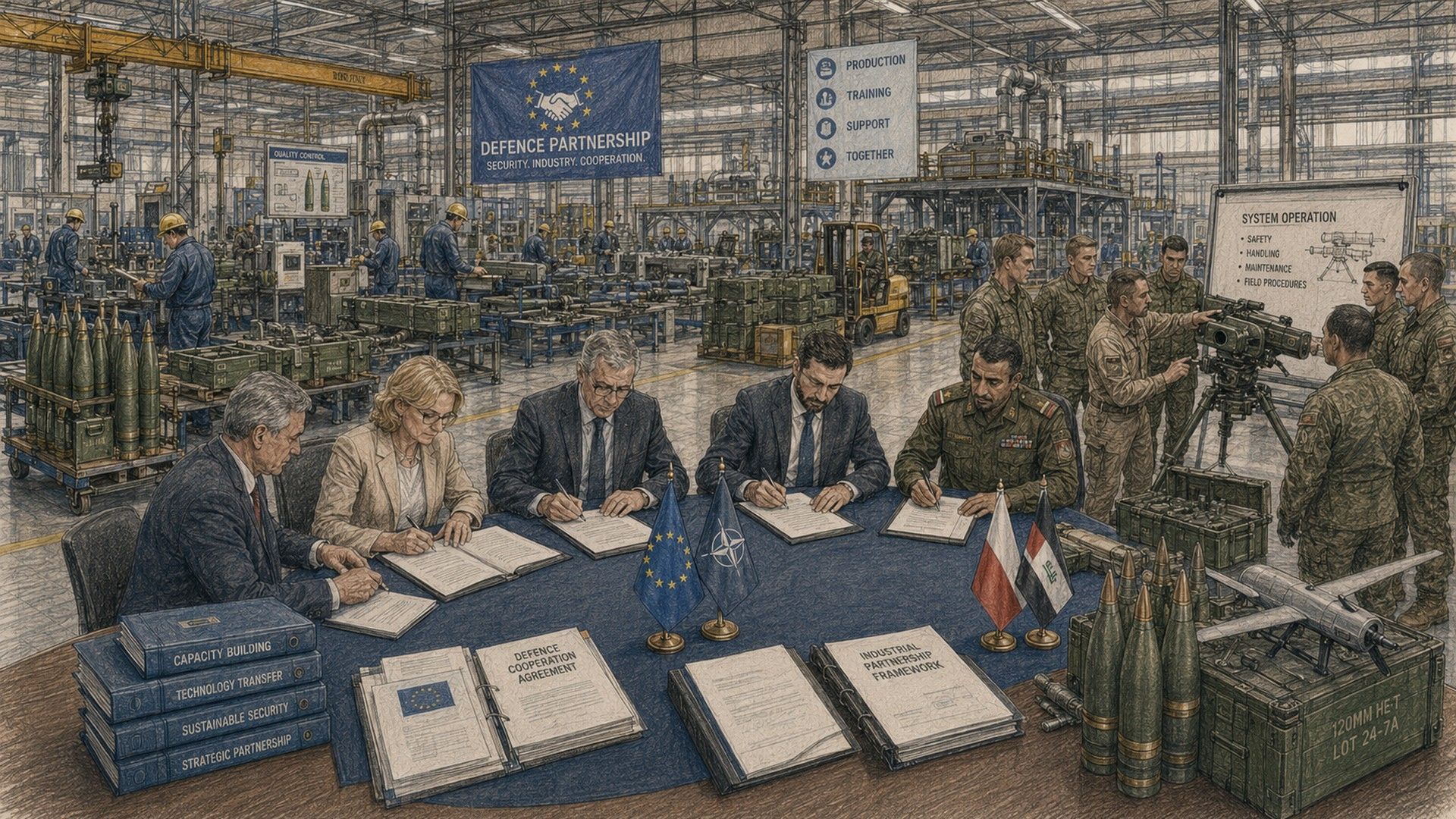
It is turning into defence-industrial coordination, arms production, training, battlefield learning and military supply chains.
Ukraine has accelerated the shift – and exposed a Europe that now sees intervention less as fixing conflicts abroad and more as building its own war-ready power.
The old civilian-power story is cracking.
The peacekeeping era fades
Europe once liked to present intervention as crisis management: stabilise states, train police, support governance, rebuild institutions and prevent collapse.
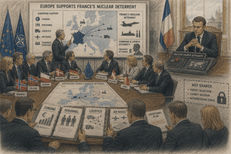
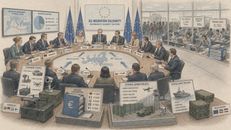
That model has not disappeared, but it is no longer the centre of gravity. DIIS argues that strategic autonomy is now materialising through military production, arms financing and security partnerships on a scale Europe was not used to treating as normal.
The message is stark: Europe’s foreign policy toolbox is being rewired around defence.
Ukraine changes the rules
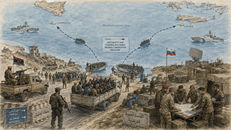
Ukraine is not just receiving military help. It is becoming a live testing ground for military innovation.
The war has turned drones, sensors, battlefield software, training systems and production methods into urgent lessons for European militaries and companies. Europe is learning from Ukraine while also supplying it.
That creates a harder, more transactional form of intervention. Help goes out. Knowledge comes back. War becomes a laboratory.
Industry is now strategy
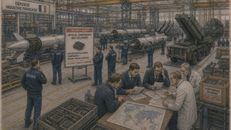
The brief shows how arms production is no longer treated as a separate industrial issue. It is becoming foreign policy.
Weapons, ammunition, training and defence exports are being folded into trade, development, partnerships and political influence. That is a major shift for a Europe that long preferred to speak the language of norms, aid and civilian crisis response.
The uncomfortable part is obvious: Europe is becoming more strategic because the world has become more dangerous – but also because its old model failed to protect it.
Autonomy means dependence too
Strategic autonomy sounds like independence. In practice, it creates new chains of reliance.
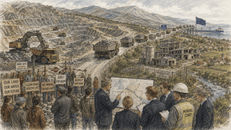
European states need factories, raw materials, technology, Ukrainian battlefield feedback, private defence firms, partner armies and political deals to make this new intervention logic work. That is not clean sovereignty. It is managed dependence.
The risk is that Europe swaps one weakness for another: less reliance on US protection, but more reliance on fragile production networks and militarised partnerships.
Development gets dragged in
One of the brief’s sharpest warnings is that defence is being normalised inside areas once dominated by civilian language.
Arms production and exports are increasingly presented as part of industrial development, commercial policy and assistance to partners. That may look practical in a more violent world, but it also blurs red lines.
When aid, trade and security are fused too tightly, Europe risks turning development policy into a support act for defence strategy.
Accountability may lose
This new model is easier to expand than to control.
Military training, arms transfers, technology testing and industrial partnerships can move faster than traditional deployments. They can also attract less public scrutiny than sending troops abroad.
That matters. Europe may be entering a new age of intervention without admitting it clearly to voters. The battlefield is abroad, the production line is at home, and the political responsibility sits somewhere in between.
The hard lesson: Europe is militarising its influence.
DIIS shows a continent adapting to danger by changing the meaning of intervention itself. Europe is no longer just trying to manage crises. It is using crises to rebuild its own defence capacity.
That may be necessary. But it is not cost-free.
The old Europe wanted to export stability. The new Europe is learning to export weapons, absorb battlefield lessons and call it autonomy.