World Center for Strategic Studies
From closed analysis to public debate

- MONTH
- YEAR

Europe’s Defences Are Rising – But Its Crisis Readiness Is Still Full of Holes
Europe is spending more on defence, but RAND warns that money alone will not make the continent ready for the threats already hitting it. Russian sabotage, hybrid pressure and attacks on critical infrastructure are exposing weak spots far beyond the battlefield.
The real vulnerability is uneven national preparedness – some countries are building serious whole-of-society resilience while others are still moving too slowly. Without governments, industry, the military and civilians working from the same crisis playbook, Europe risks discovering its weaknesses when there is no time left to fix them.
Russia is already testing the cracks
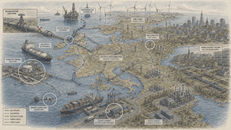
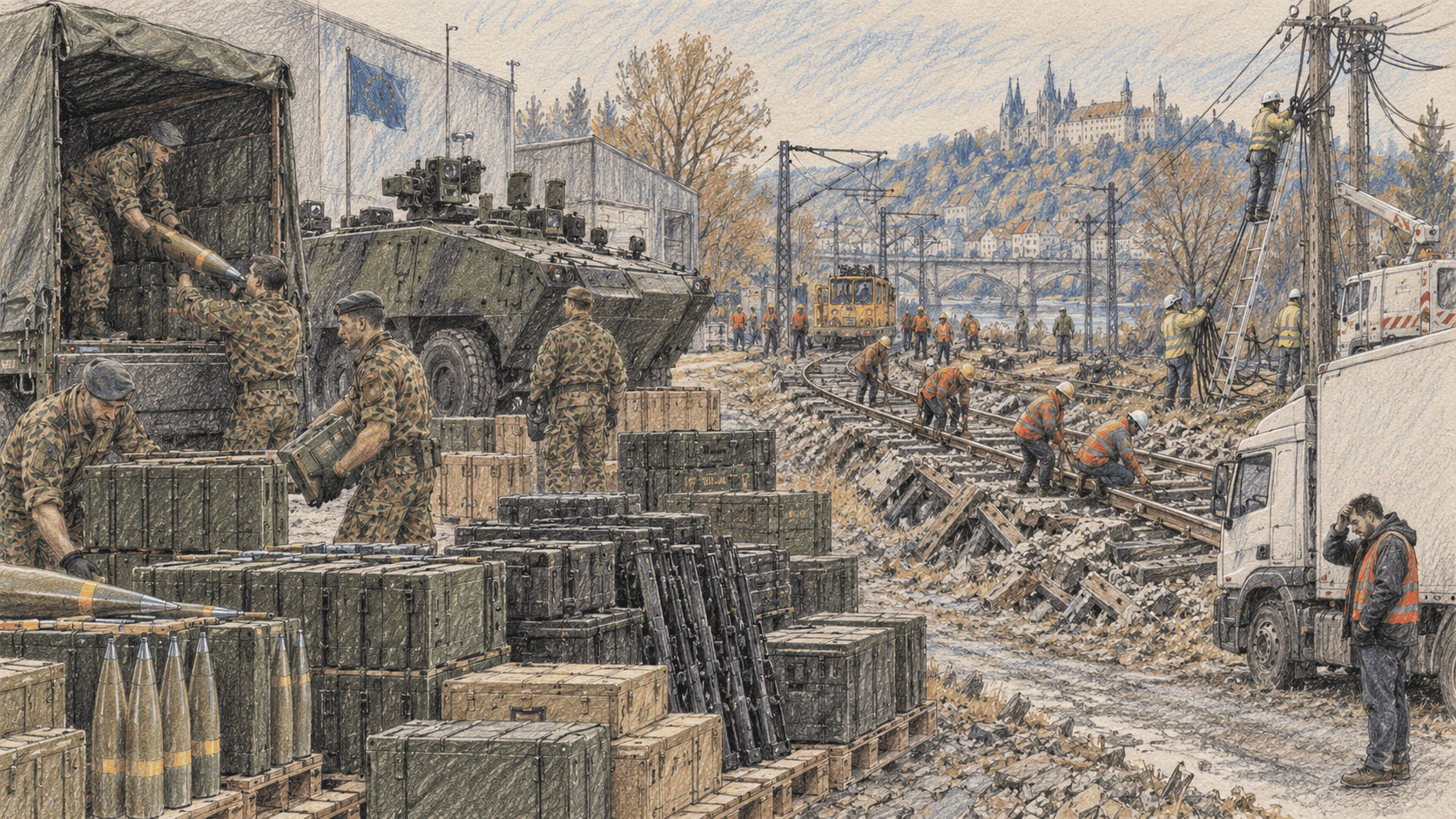
The threat is not theoretical. Russian state-sponsored sabotage across Europe continued to rise in 2025 after almost tripling in 2024, with arms suppliers, transport networks and other infrastructure among the targets.
These operations do more than cause physical damage. They probe European vulnerabilities, test cooperation and expose whether governments and societies can keep functioning under sustained pressure.
More defence cash will not fix this
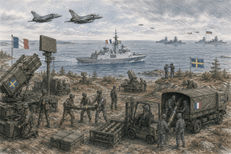
European defence spending is climbing, but RAND’s warning is stark: bigger budgets can still deliver disappointing results if countries lack the frameworks needed to mobilise people, businesses and infrastructure during a crisis.
Preparedness therefore cannot stop at armed forces and weapons. Cyber security, supply chains, energy, transport, food distribution and social cohesion all become part of national defence when hostile pressure reaches civilian life.
Western Europe risks falling behind
The readiness gap inside Europe is uncomfortable. The Nordics, Baltics and parts of Central Europe have embedded preparedness much more deeply into national planning, while Western European countries generally have less advanced crisis-response frameworks.
Finland, Sweden, Norway, Estonia, Latvia, Lithuania, Poland and Germany are strengthening resilience across government, society and industry. Their approach increasingly treats hybrid attacks, sabotage and weaponised migration as security challenges requiring preparation before a crisis erupts.
Industry cannot sit on the sidelines
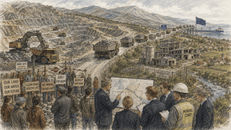
Private companies control much of the infrastructure, production capacity, supply chains and skilled labour governments would desperately need during war or another major emergency.
Ukraine offers the clearest lesson. Government and business have worked together to repair critical infrastructure and keep economic activity alive, while a rapid relocation scheme helped hundreds of companies move operations away from areas most exposed to war.
France is also experimenting with an industrial reserve of former defence-sector workers who could be mobilised during a national emergency. The logic is simple: governments need to know in advance which workers, skills and industries must keep operating.
The Nordics have the blueprint
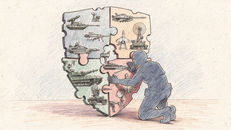
RAND points towards the Nordic Total Defence model as a template Western European governments can adapt. National resilience means coordinating the military, government, companies, communities and individuals rather than expecting armed forces to carry the entire burden.
That requires rules, incentives and compensation mechanisms that make civilian participation possible – plus clear communication so the public understands what is expected before an emergency begins.
The hard lesson: Europe cannot buy readiness overnight
Europe has the resources to become far harder to intimidate, disrupt or disable. What it lacks is consistent preparation across the continent and machinery capable of turning money, workers and industrial capacity into action under pressure.
The danger is waiting for the next major crisis to expose which countries prepared – and which merely spent.