World Center for Strategic Studies
From closed analysis to public debate

- MONTH
- YEAR

Germany’s Centre Is Crumbling: Merz Is Losing the Fight Against the AfD
Germany’s political establishment is facing the result it spent years trying to prevent. The AfD’s 43.8 per cent victory in Saxony-Anhalt is not just another eastern protest – GMF sees it as a direct threat to Chancellor Friedrich Merz and Germany’s post-war political order.
Merz promised to crush AfD support, revive the economy and restore the CDU as Germany’s dominant conservative force. Instead, the AfD is surging while his coalition struggles to deliver. The warning for Europe is serious: weakness in Berlin now risks becoming political instability at the heart of the continent.
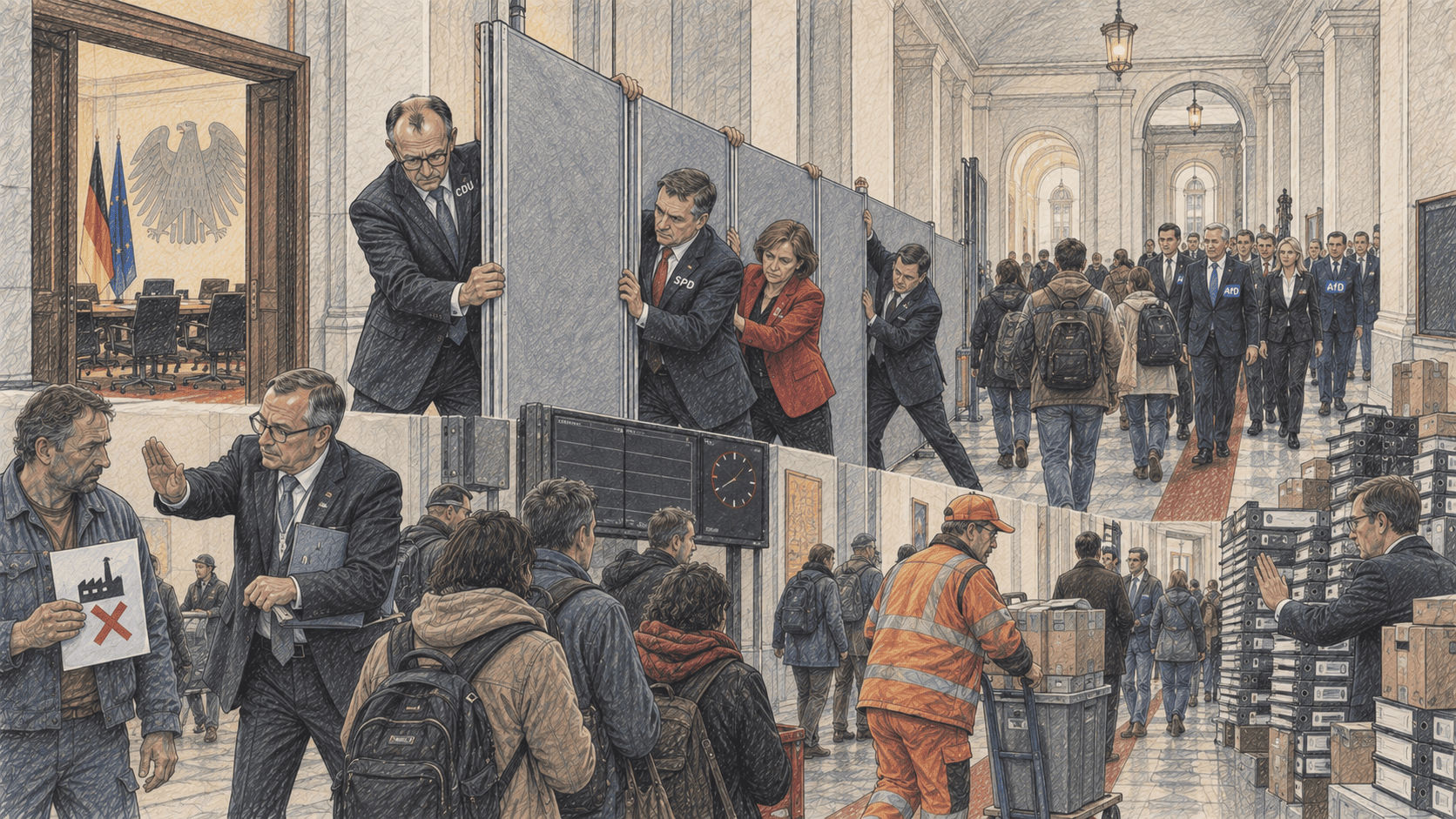
Merz promised victory – and got a drubbing
When Merz first sought the CDU leadership, he vowed to halve AfD support. The political irony is painful: in Saxony-Anhalt, his own party has now lost roughly half its previous support while the AfD has stormed ahead.
Two more regional elections could deepen the damage and pile further pressure on Merz’s coalition. GMF says the Saxony-Anhalt defeat will also amplify voices inside the CDU questioning whether the chancellor should remain in charge.
The firewall is holding – voters are moving around it
Merz continues to defend the CDU’s refusal to cooperate with the AfD. But political isolation has not stopped the party expanding.
The AfD has overtaken the CDU in national polling and is approaching support from a third of German voters. A party whose Saxony-Anhalt branch has been classified as right-wing extremist by domestic intelligence is no longer a fringe irritant – it is competing for national dominance.
Berlin promised reform and delivered frustration
Merz entered office promising to revive Germany’s stagnant economy and overhaul welfare and pensions. GMF’s assessment is unforgiving: his reforms have been too timid and too late.
Businesses are being squeezed by high costs, US tariffs and tougher Chinese competition. Meanwhile, voters are worried about jobs, immigration, schools and public services – precisely the everyday problems on which the governing coalition is failing to convince.
His reversal on the debt brake has handed the AfD another weapon. Poor communication has further weakened attempts to claim credit for tighter migration policy and diplomatic efforts to maintain European support for Ukraine.
Germany’s grand coalition is running out of excuses
The CDU-SPD government was supposed to deliver major reforms while containing the AfD. GMF argues that so far it has achieved neither.
Germany is now on its fourth grand coalition in two decades, making what was once an exceptional political arrangement increasingly routine. For angry voters, another establishment partnership risks looking less like stability and more like a political system struggling to produce alternatives.
Moscow gains from Berlin’s weakness
The stakes stretch far beyond German domestic politics. Merz wants Germany to become Europe’s leading military power as Russia grows more threatening and America less dependable.
The AfD points in another direction. It questions support for Ukraine, seeks renewed ties with Russia and wants Germany out of the euro. Its rise therefore threatens not only the CDU but the Western orientation that has anchored German foreign policy since Konrad Adenauer.
Condemnation will not save the centre
GMF does not present the AfD as offering convincing answers to Germany’s problems. It argues that the party thrives on anger and national decline while lacking meaningful governing experience.
But simply attacking the AfD is no longer enough. Unless mainstream parties deliver competent government and tangible improvements, moral warnings risk sounding increasingly powerless to voters who believe the existing system is failing them.
The stark truth: Germany’s firewall cannot substitute for functioning government
Merz may already have damaged his chances of political survival. The larger danger is that Germany’s centrist parties continue fighting the AfD rhetorically while leaving the grievances feeding its rise unresolved.
For Europe, a politically paralysed Germany would be more than Berlin’s problem – it would weaken the country expected to carry an ever larger share of Europe’s economic, military and strategic burden.