
World Center for Strategic Studies
From closed analysis to public debate
- MONTH
- YEAR

Hungary’s Orbán Clean-Up: Magyar Moves Fast – But the Economic Trap Is Waiting
Hungary is undergoing its biggest political overhaul since Viktor Orbán and Fidesz took power in 2010. OSW’s assessment finds that Péter Magyar has used a two-thirds majority and exceptionally strong public support to tear into the institutional system built during 16 years of Fidesz rule, restore ties with Brussels and pull Hungary back towards the Western mainstream. The speed is striking – but so are the risks. Magyar can dismantle old structures quickly. Proving that ordinary Hungarians are actually better off will be much harder.
Orbán’s system is being stripped back
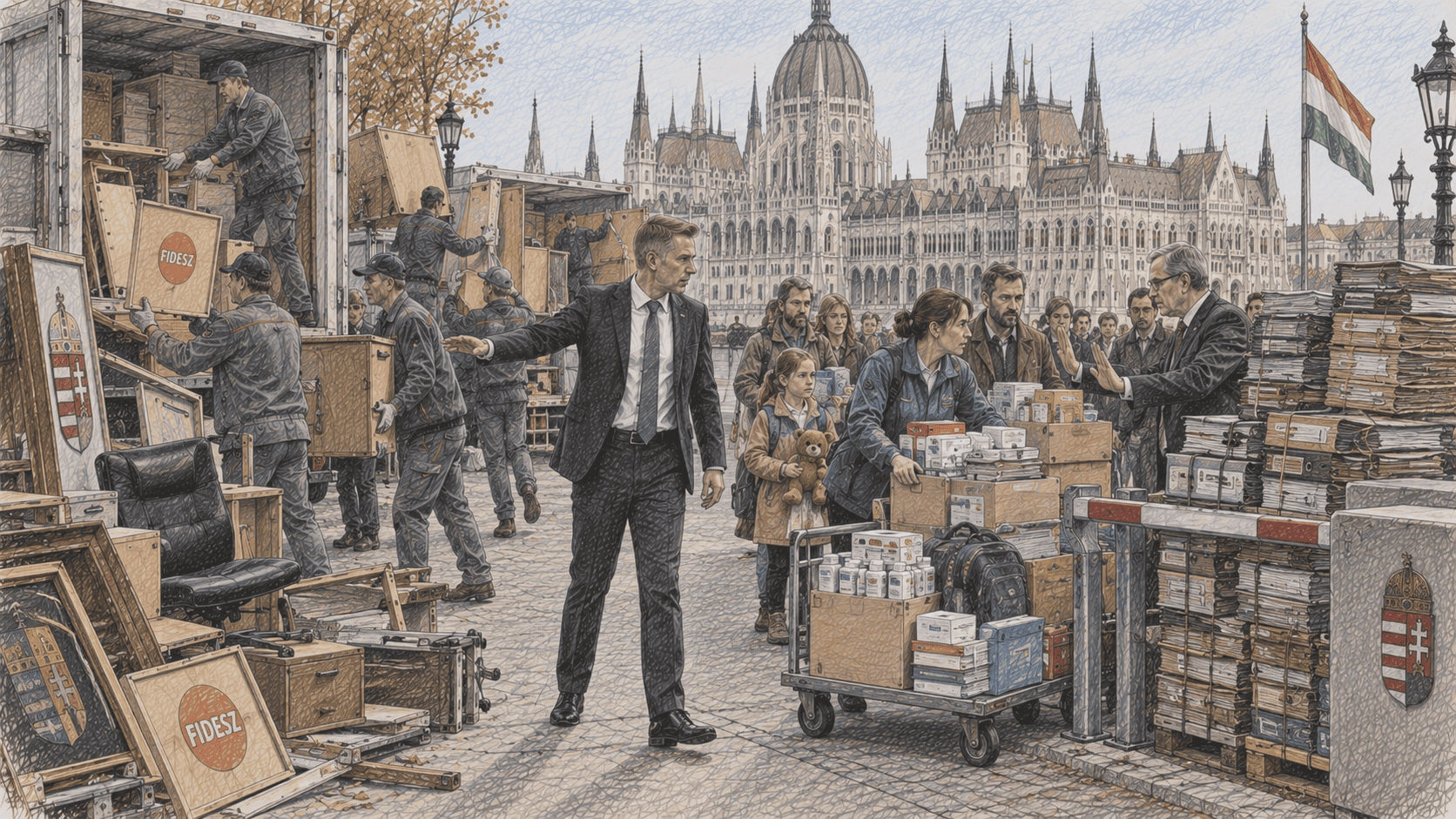
Magyar’s government has wasted little time dismantling mechanisms that entrenched Fidesz influence across the state.
Constitutional changes have reshaped the presidency, Constitutional Court, judiciary and cardinal laws. The Budget Council has lost its power to block the budget, while term limits for prime ministers and MPs directly constrain figures from the old political order.
But the clean-up carries its own danger. Critics warn that removing officials and rewriting institutions with a constitutional supermajority could undermine legal certainty and create tools that another government might later abuse.
Fidesz’s power network takes the hit
The transformation goes well beyond constitutional engineering.
The government is auditing public assets and procurement, investigating alleged corruption and reviewing contracts involving business networks linked to the former ruling camp. Hungary has also joined the European Public Prosecutor’s Office.
Universities, foundations and the media are being targeted for reform as Magyar tries to dismantle the political, financial and institutional infrastructure that allowed Fidesz influence to survive beyond elections.
Budapest runs back towards Europe
The foreign-policy reversal is equally dramatic.
After years of confrontation with Brussels, Magyar is rebuilding relations with Poland, Austria, Germany and France, reducing Hungary’s use of vetoes and trying to unlock €16.4 billion in frozen EU funding.
Budapest has also stopped obstructing Ukraine’s accession negotiations, while maintaining demands over the rights of ethnic Hungarians in Transcarpathia. Hungary is trying to move from EU troublemaker back towards constructive player.
Russia remains the awkward dependency
The break with Orbán is incomplete.
Magyar’s government now explicitly identifies Russia as the aggressor against Ukraine and no longer obstructs EU sanctions. Yet Hungary remains heavily dependent on Russian energy and continues importing it.
The government has started diversification and is reconsidering aspects of the Rosatom-backed Paks nuclear expansion, but years of dependency cannot be erased with a diplomatic reset.
China survives the political purge
Beijing is another area where pragmatism beats rupture.
Large Chinese investments, including BYD and CATL, remain in place. What has changed is the political treatment: Magyar wants tougher transparency and environmental requirements and an end to the privileged relationship Beijing enjoyed under Orbán.
Hungary is therefore trying to keep Chinese capital without allowing economic ties to dictate political alignment.
The economy could wreck the honeymoon
This is where Magyar’s revolution meets its hardest obstacle.
His government inherited a deficit forecast at 6.2 per cent of GDP in 2026, public debt around 75 per cent and the EU’s highest debt-servicing costs. That leaves little room to satisfy demands for higher wages, better healthcare, stronger education and more investment while restoring fiscal credibility.
Magyar may enjoy 68 per cent support, but OSW warns that enthusiasm currently rests heavily on the speed of change rather than tangible improvements in living standards.
The reality check: Political revolution cannot pay household bills
Magyar has moved remarkably quickly to dismantle Orbán’s legacy and repair Hungary’s battered relationship with the EU. But constitutional reform and Western goodwill will eventually stop being enough.
The next test is brutally practical – growth, investment, public services and living standards. If those fail to improve, Hungary’s spectacular political honeymoon could end much faster than its new government expects.