World Center for Strategic Studies
From closed analysis to public debate
- MONTH
- YEAR

France’s Fuel-Price Panic: Blanket Giveaways Could Make the Real Problem Worse
France is bracing for another politically explosive energy shock, with petrol potentially reaching €3 a litre by the end of 2026. But Institut Montaigne argues that the familiar response – cut fuel taxes, subsidise everyone and pretend the state can erase the shock – would be expensive, badly targeted and strategically damaging.
For most households, even today’s sharp fuel increase is smaller than the political uproar suggests, while the burden is much heavier for high-mileage drivers and transport businesses. France’s deeper problem is not simply petrol prices – it is a housing, transport and public-finance model that pushes people into longer journeys while increasingly shifting mobility costs onto taxpayers and companies.
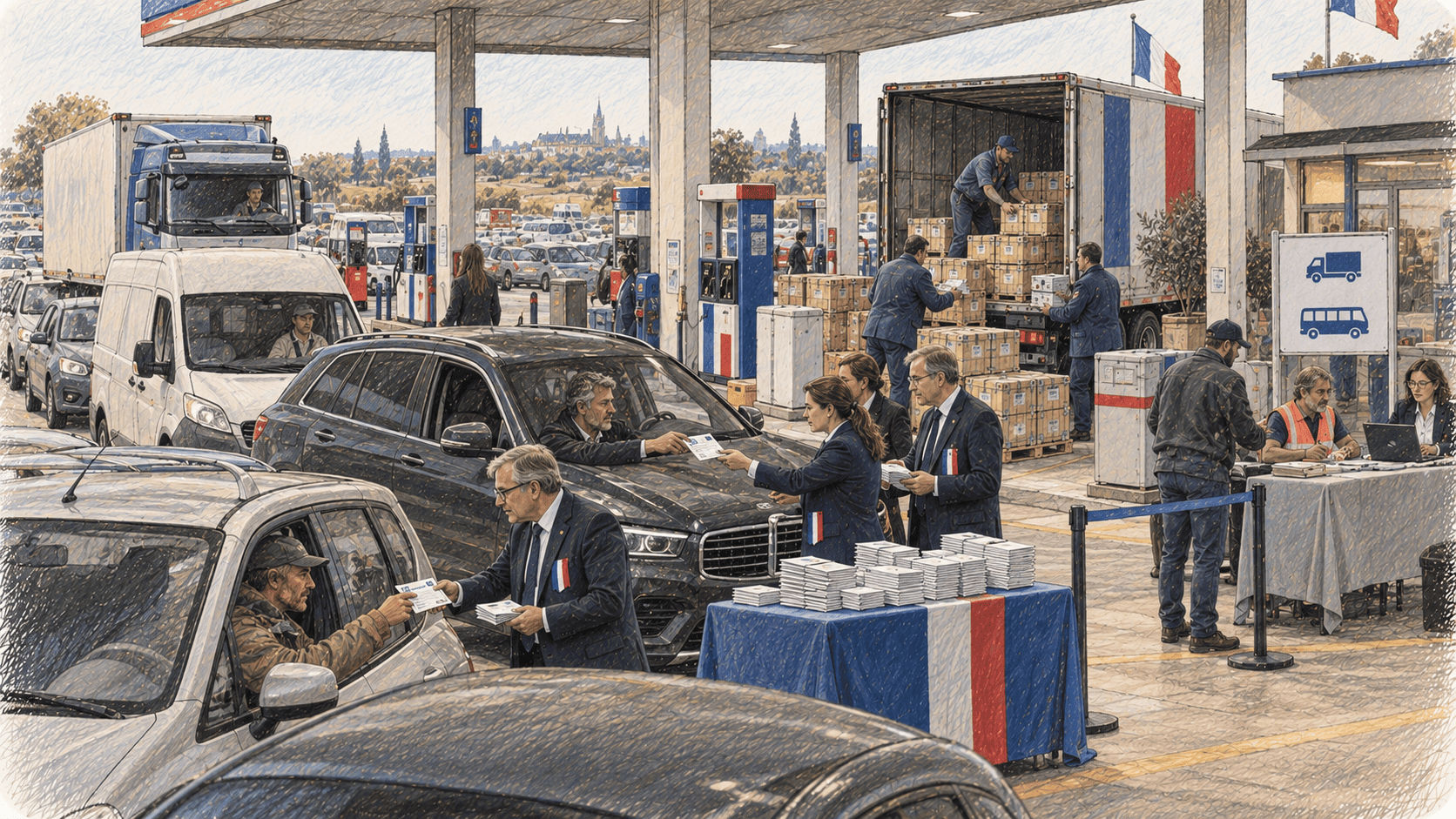
The petrol shock is not what it seems
A 40-cent increase in petrol costs a car consuming six litres per 100 kilometres another €2.40 per 100 kilometres.
For someone driving 1,000 kilometres monthly, that means roughly €24 extra a month. The impact becomes significantly heavier for people travelling much further, particularly commuters and transport-intensive businesses.
The paper’s argument is therefore against indiscriminate compensation: help those genuinely exposed rather than subsidising every driver regardless of income or need.
Paris cannot afford another giveaway
France has spent decades cushioning consumers while loading costs onto businesses and public finances.
Institut Montaigne argues that this model has helped produce a state that now spends 57.3 per cent of GDP publicly while carrying an enormous debt burden.
Cutting fuel taxes across the board would add another costly measure while delivering relatively modest savings to many households.
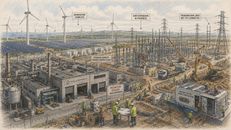
Electrification blows another hole in revenue
The state faces an awkward problem as electric vehicles spread.
Since 2018, declining fuel consumption has already cut inflation-adjusted TICPE fuel-tax revenue by 20 per cent – around €6 billion annually.
Those taxes do not simply disappear into central government. They also help finance regional programmes including welfare and professional training. Decarbonisation therefore erodes a revenue stream before France has fully decided what should replace it.
Public transport is trapped too
France has made public transport cheaper in real terms while dramatically expanding services – but somebody still has to pay.
Passengers now cover only about one-quarter of urban public-transport expenditure, compared with around half or more in many other countries. The public subsidy required per journey has risen tenfold in real terms since 1975, from €0.25 to €2.50.
Institut Montaigne argues that free transport would worsen this imbalance rather than solve it.
Housing is driving the mobility crisis
The paper identifies a much bigger squeeze elsewhere: housing.
Since 1980, housing’s share of income has tripled for tenants, with particularly severe pressure in major cities. For tenants in the lower half of the income distribution, housing absorbs more than 35 per cent of income on average.
Families pushed away from expensive urban centres then travel further for work, increasing car dependence and transport costs. Treating fuel prices alone therefore attacks the symptom while ignoring the mechanism generating longer journeys.
Businesses keep picking up the tab
French companies already finance around 75 per cent of urban public-transport costs, directly or through taxation and employer contributions.
Piling more mobility costs onto employers risks weakening competitiveness and squeezing wages, while shifting everything onto government is equally unrealistic when stabilising public debt would require spending reductions exceeding €80 billion annually.
The paper instead calls for concentrating public transport where demand is strongest and making users contribute according to their ability to pay.
The ugly reality: France cannot subsidise every price shock
Institut Montaigne’s prescription is politically difficult – targeted assistance for vulnerable households and exposed sectors, realistic transport pricing, more housing in and around employment centres and better transport links where people actually travel.
France can protect those genuinely hurt by expensive energy. What it cannot sustainably do is promise everyone cheap mobility and send the bill to an already overstretched state.