World Center for Strategic Studies
From closed analysis to public debate
- MONTH
- YEAR

Europe’s Security Deadlock: National Interests Are Holding Back Strategic Autonomy
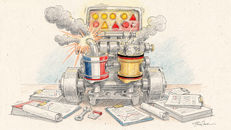
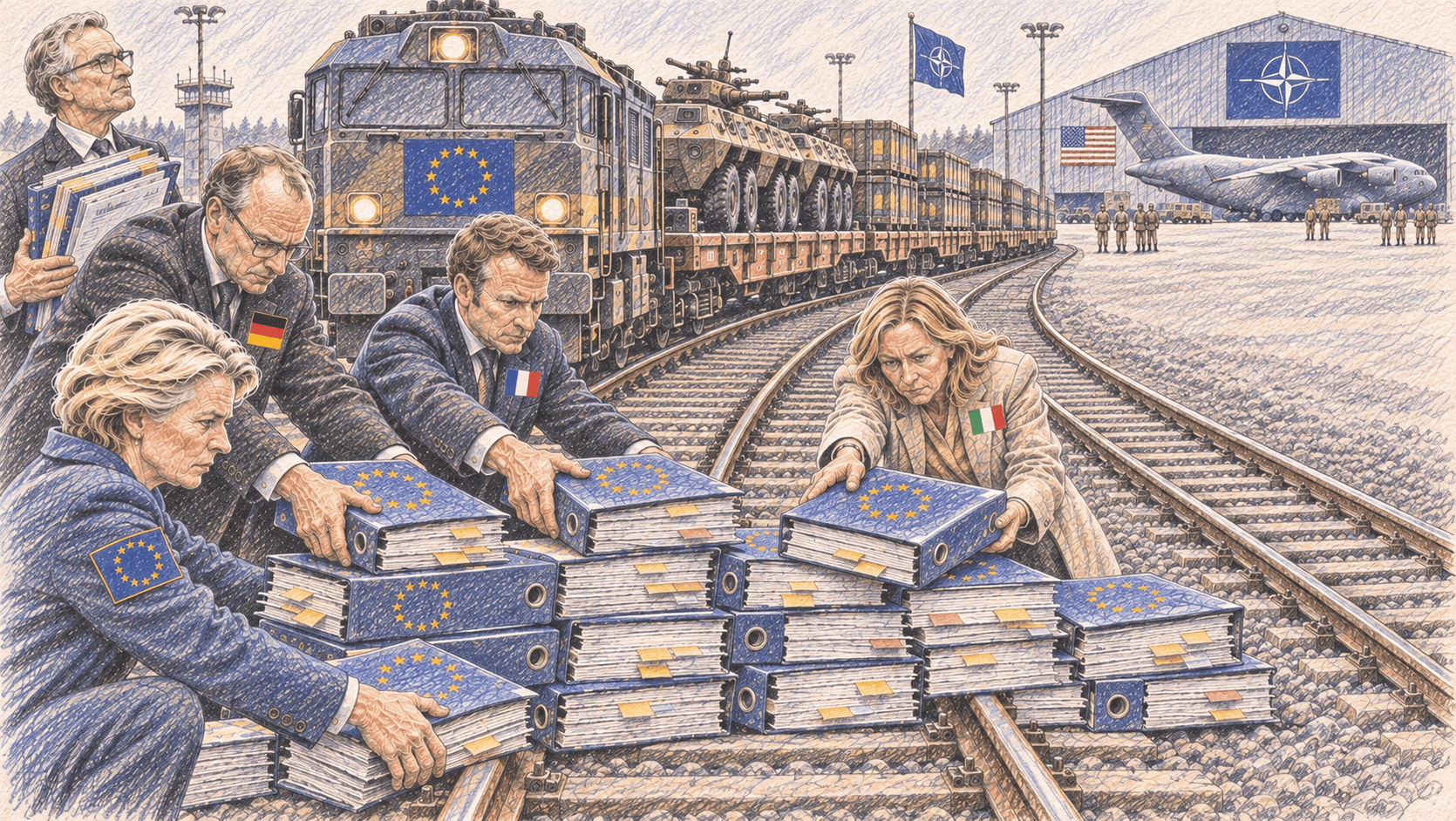
Europe wants to become a serious geopolitical power, but its own decision-making system threatens to keep it weak. As Russia's aggression, geopolitical rivalry and uncertainty over American security guarantees increase pressure on the continent, the EU faces a fundamental problem: collective ambitions still depend heavily on national governments willing to act together. The debate over national security initiatives and strategic autonomy exposes a difficult question for Brussels – how can Europe defend its interests when consensus is increasingly hard to achieve?
Washington's protection comes with conditions
The second Trump administration has made America's security guarantees increasingly uncertain. NATO remains essential, but Europe can no longer assume Washington will automatically carry the burden.
An OIIP commentary by Conor Edward Mullin argues that higher defence spending alone will not solve the problem. Europe needs governments willing to identify threats, build capabilities and act before every EU member agrees.
Türkiye shows how to gain leverage
Ankara has demonstrated that NATO membership does not prevent independent strategic action.
Türkiye developed its own drone industry, supplied Ukraine and used its position during NATO enlargement negotiations to secure concessions. Its purchase of Russian S-400 missiles also showed the costs of defying allies.
The lesson is not to copy Türkiye's authoritarian political system. It is to develop capabilities that give European countries greater freedom of action and bargaining power.
Estonia acts while bigger states hesitate
Estonia offers a more compatible model for the EU. Facing Russia directly, Tallinn invested early in cyber defence, national resilience and military preparedness without waiting for Brussels.
Its initiatives helped shape NATO's cyber capabilities and European ammunition procurement efforts.
A relatively small country demonstrated what larger European powers often struggle to achieve – turning national security concerns into practical collective action.
Germany's caution becomes Europe's problem
Germany illustrates the opposite approach. Its preference for multilateral agreement and reluctance to act independently contributed to delayed responses to Russian aggression in 2014 and 2022.
Even after Berlin's historic defence policy shift, the commentary argues that its political culture continues to restrict decisive national initiative.
Europe cannot become a credible security power if its largest members treat collective agreement as a prerequisite for every important move.
Brussels has money but lacks momentum
The EU's Security Action for Europe initiative provides financial support for defence investment, but money cannot replace political determination.
Unanimity requirements, regulatory procedures and diverging national priorities continue to obstruct rapid decisions. Upcoming elections could deepen these divisions.
The EU must reward governments that develop useful military capabilities and advance common security objectives without waiting for permission from all 27 member states.
Consensus should not become a veto on preparedness.
The warning sign: Europe's dependency is a political choice
Mullin's central argument is that European strategic autonomy does not require abandoning NATO or dismantling EU institutions. It requires a different security culture in which national initiative strengthens collective defence rather than undermining it.
Türkiye demonstrates the value of strategic leverage, while Estonia shows how independent action can reinforce allied institutions.
If Brussels continues to prioritise unanimous agreement over practical initiative, Europe risks remaining dependent on American protection despite spending more on its own defence.
Europe already has frameworks for action. What it lacks is the political will to use them.