World Center for Strategic Studies
From closed analysis to public debate

- MONTH
- YEAR

Britain’s Gibraltar Squeeze: Brexit Hands Spain New Leverage
Geopolitical Monitor’s situation report warns that Gibraltar has entered a more dangerous post-Brexit phase.
The new 2026 deal is not a formal surrender of British sovereignty, but it gives Spain fresh practical power over the Rock’s borders, economy and daily life.
London avoids a hard frontier and economic pain – but only by accepting a system where Madrid and the EU now sit much closer to Gibraltar’s front door.
The humiliation is simple: Brexit was sold as control, yet Spain has gained the stronger hand.
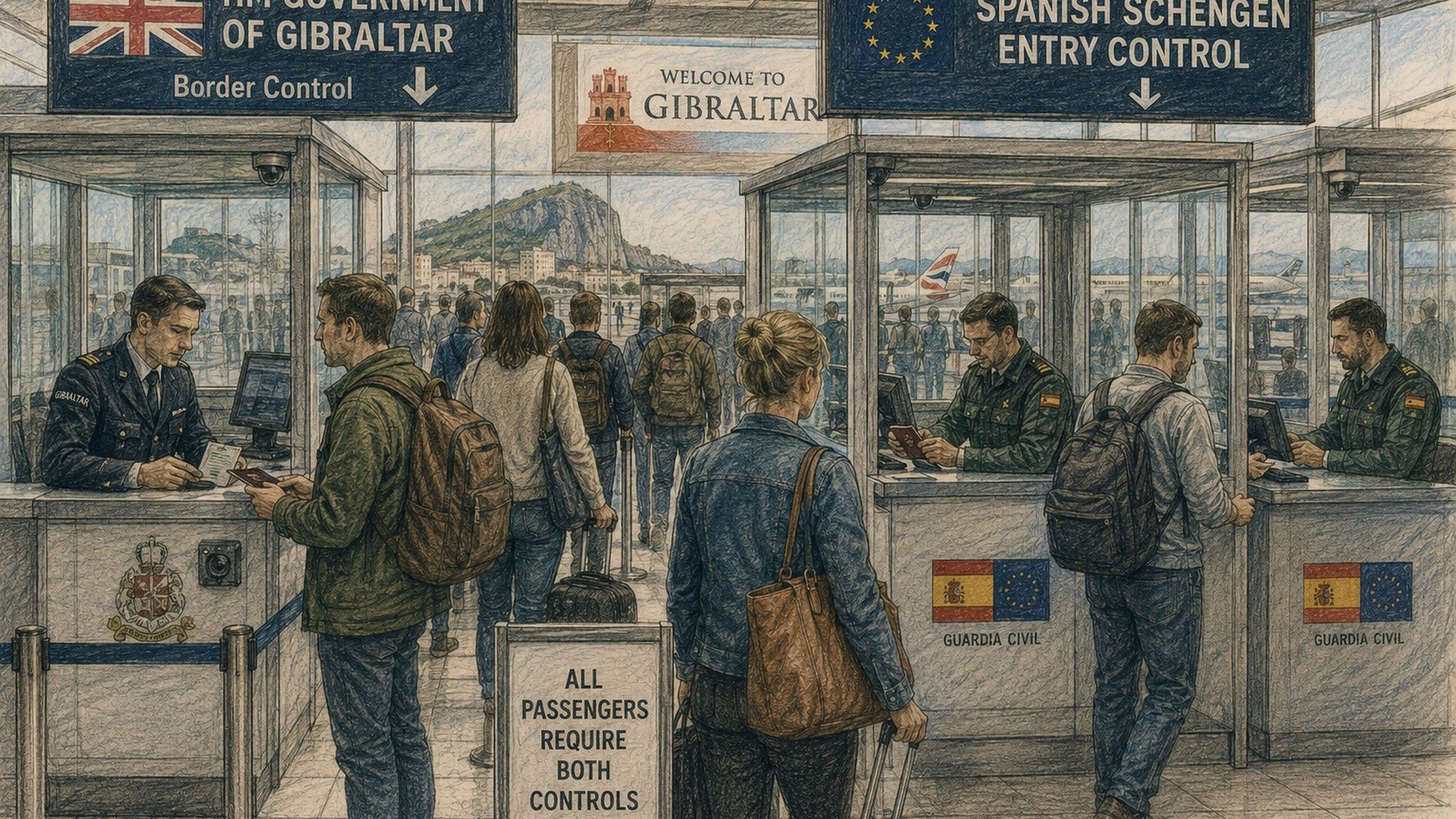
The border opens – and control shifts
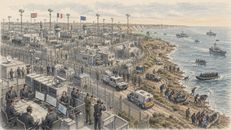
The agreement removes the land barrier with La Línea and eases movement for thousands of cross-border workers, many of them Spanish.
That prevents queues, disruption and losses on both sides of the frontier. But the price is steep. Gibraltar will apply Schengen border rules and enter a new customs arrangement without joining the EU.
In practice, the Rock stays British, but its operating environment becomes more European – and more exposed to Spanish pressure.
Madrid gets a foothold
The report’s key warning is the new dual-check system for arrivals by air and sea.
Gibraltarian officers will not be alone at the gate. Spanish officers will handle Schengen checks, creating a precedent that cuts straight into the psychology of sovereignty.
For the first time in three centuries, Spain gains a role in deciding who can enter Gibraltar. That is not symbolic noise. It is real leverage.
Brexit did this to London
The UK used to negotiate Gibraltar from inside the EU framework. After Brexit, that shield was gone.
Gibraltar was left outside the main EU-UK trade deal, allowing Spain to press its own regional demands. The result is an uncomfortable reversal: Madrid now negotiates with EU backing, while London manages the consequences of leaving the bloc.
For a territory that overwhelmingly voted to remain in the EU, the irony is hard to miss.
The economy is the pressure point
Gibraltar’s low-tax model is also under strain.
The Rock has built prosperity through financial services, insurance, online gaming and cheaper goods, helped by the absence of VAT and a lighter tax regime than nearby Andalusia.
Spain has long attacked this advantage. Under the new framework, customs and tax alignment could chip away at Gibraltar’s edge. The promise is shared prosperity. The risk is slow economic suffocation.
Spain can squeeze without seizing
The report does not claim Spain is about to take Gibraltar by force or secure a quick sovereignty breakthrough.
The threat is more subtle. Madrid can use border controls, customs rules, political pressure and future negotiations to make Gibraltar more dependent, less distinct and harder to run as a British outpost.
That kind of pressure works slowly. It does not need a flag-lowering ceremony to matter.
The Spanish trap
Spain has its own problem. Pushing too hard on Gibraltar could rebound badly at home.
Catalonia, the Basque Country and Galicia could all seize on any special sovereignty formula for Gibraltar to demand more autonomy of their own. Morocco could also use the Gibraltar precedent to sharpen claims over Ceuta, Melilla and Spain’s small North African possessions.
Madrid may want leverage, but it cannot easily open every sovereignty file at once.
The ugly reality: Britain kept the flag, not full control.
The report’s warning is stark. Gibraltar remains British on paper, but post-Brexit bargaining has given Spain new tools to shape what happens on the ground.
London avoided a border crisis. It also accepted a weaker position.
The Rock has not been handed over. But the balance of power has shifted – and Spain knows it.