World Center for Strategic Studies
From closed analysis to public debate
- MONTH
- YEAR

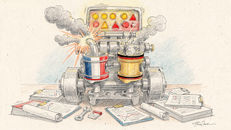
Europe’s Defence Mess: More Money, Same Fragmentation
The European Parliament briefing lays out a blunt problem at the heart of EU defence.
Europe is spending more, planning more and launching more instruments – but still buys weapons like 27 separate countries protecting 27 separate industrial comfort zones.
The EU wants readiness by 2030, yet its forces remain split across too many systems, too many procurement habits and too many political red lines.
The danger is stark: higher budgets will not save Europe if the money is poured into duplication, delays and national pet projects.
Spending rises, weakness remains
EU defence spending reached an estimated €381 billion in 2025, with investment and research budgets also rising.
That sounds impressive until the comparison bites. The United States still spends far more, and Europe’s problem is not only the size of the bill. It is how badly the bill is organised.
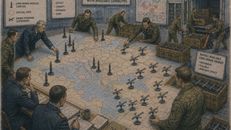
Defence budgets remain controlled by national governments. Procurement is still largely national. Capability planning is still fractured. The result is a continent spending more without automatically becoming stronger.
The arsenal is a jumble
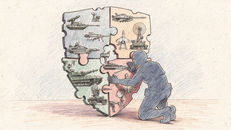
The briefing’s most damaging point is fragmentation.
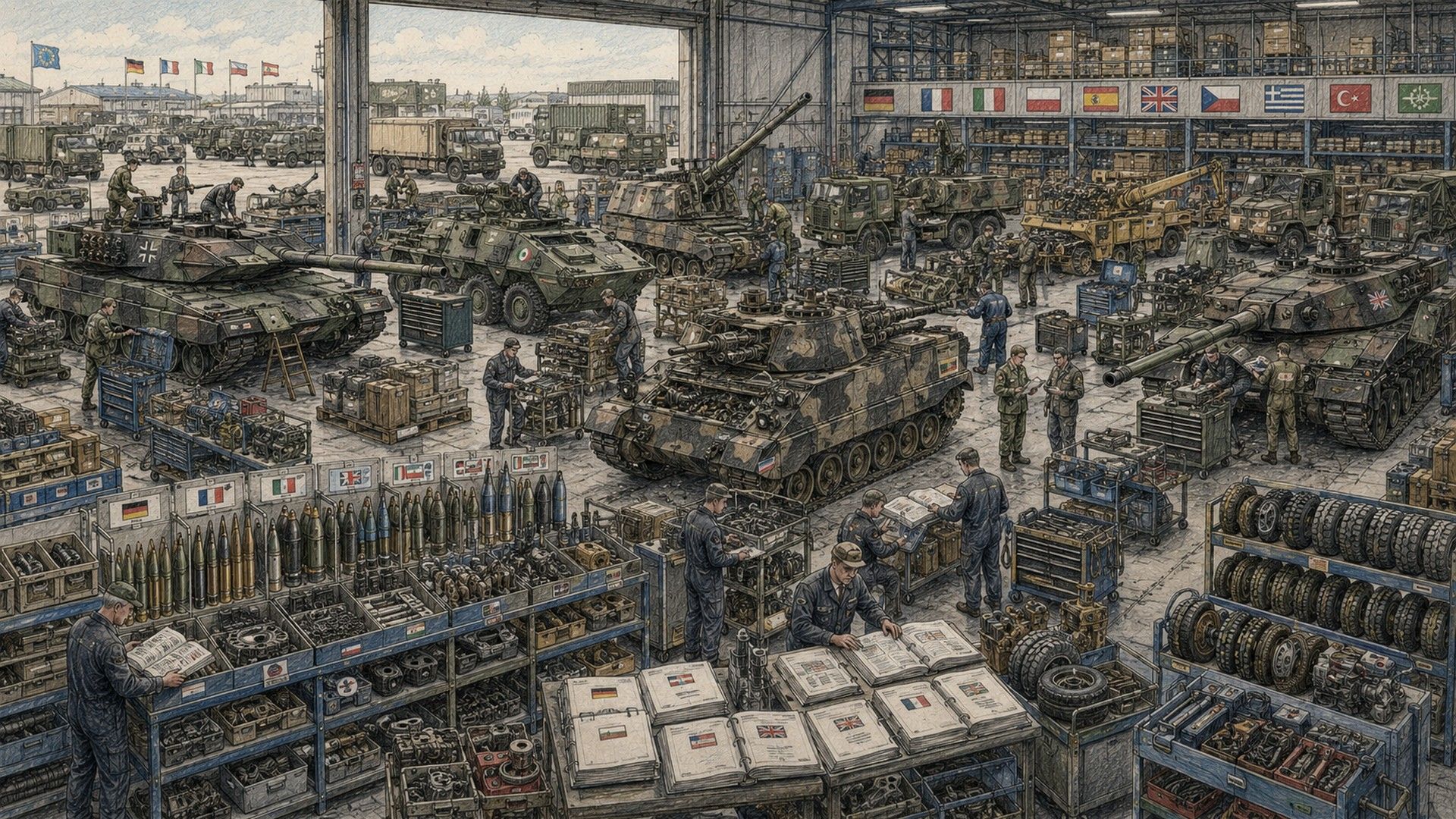
EU armed forces operate more than 150 different weapons systems, compared with a far smaller number in the United States. That means more complexity, more training burdens, more spare parts, more maintenance problems and weaker interoperability.
Europe may own large numbers of tanks, artillery systems and infantry fighting vehicles, but too many come in different models. Quantity loses force when logistics become a nightmare.
Washington still fills the gaps
Europe’s defence industry can produce a wide range of equipment, but the holes are serious.
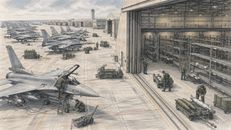
The EU lacks strong domestic solutions in areas such as medium-altitude long-endurance drones, tactical ballistic missiles and long-range artillery rockets. It also remains heavily dependent on the United States for integrated air and missile defence, strategic airlift, intelligence, surveillance, reconnaissance, command and control, air-to-air refuelling and long-range strike.
Russia’s war against Ukraine exposed the weakness. Europe talks about strategic autonomy, but key military enablers still come from across the Atlantic.
Brussels builds instruments
The EU has not been idle.
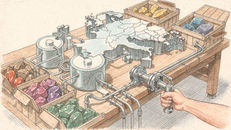
The briefing lists a growing toolbox: the Capability Development Plan, the Coordinated Annual Review on Defence, PESCO, the European Defence Fund, ASAP for ammunition production, EDIRPA for common procurement, EDIP for industrial readiness, the SAFE loan instrument and the Readiness 2030 agenda.
The ambition is clear: push countries to buy together, build together and scale up production. The problem is just as clear: tools do not equal delivery.
Process is crowding the battlefield
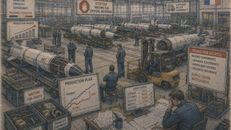
EU defence planning is becoming a dense web of roadmaps, flagships, funds, work programmes and coordination mechanisms.
Some of this is necessary. But the briefing shows how easily defence cooperation turns into institutional overload. The Commission wants faster industrial ramp-up and pan-European flagships such as air, drone and space shields. Some member states still prefer national or NATO-led routes.
That split matters. Europe cannot build readiness at speed if governments keep arguing over who controls the steering wheel.
Joint projects are no easy rescue
Joint capability development promises economies of scale, lower unit costs, stronger interoperability and a more competitive defence industry.
But the drawbacks are unforgiving. Multinational projects can get stuck in fights over specifications, financing, intellectual property, exports and workshare. Governments protect national champions. Companies fight over leadership. Timelines stretch and costs rise.
The FCAS fighter project is the warning on the wall. Europe knows it needs next-generation systems, but its industrial politics can wreck them before they fly.
Sovereignty blocks scale
The hardest barrier is political.
Member states do not want to lose control over production, maintenance, exports or national industrial jobs. Threat perceptions also differ. Some countries think first through NATO, others through European strategic autonomy. Eastern, northern, western and southern priorities do not always match.
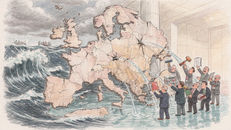
That leaves defence planning stuck where it has long been: national first, European second.
The reality check: Europe cannot deter with duplication.
The briefing’s message is sobering. More spending is necessary, but it is not enough. Europe must turn money into usable capability, shared procurement, common standards and industrial scale.
Otherwise the EU will keep announcing readiness while fielding a patchwork arsenal built for political compromise rather than war.
The bill is rising. The system is still broken.