World Center for Strategic Studies
From closed analysis to public debate

- MONTH
- YEAR

Europe’s Rearmament Trap: Defence Spending Could Gut Its Global Influence
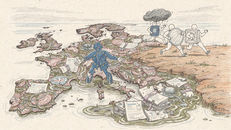
Europe is racing to rebuild its military strength as Russia threatens the continent and America demands that allies carry more of the security burden. But DIIS warns that governments risk paying for rearmament by hollowing out development assistance just as Washington is retreating from that field.
That would create a dangerous contradiction – Europe could become stronger militarily while surrendering influence in fragile countries where instability, conflict and geopolitical competition are taking shape. Security does not begin at NATO’s borders, and abandoning development could leave Europe paying far more for crises later.
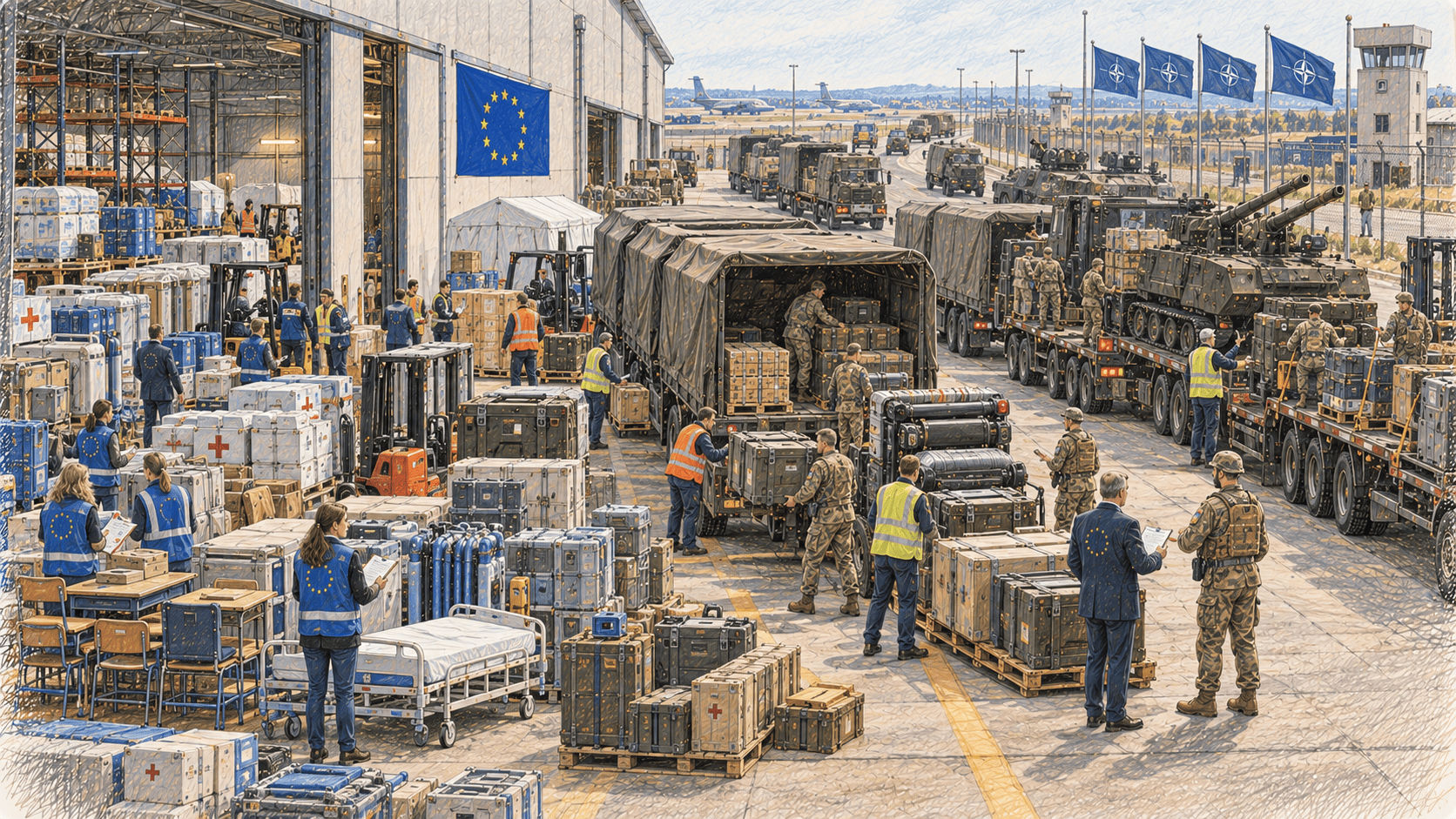
Defence is swallowing the agenda
European governments have powerful reasons to spend more on their armed forces.
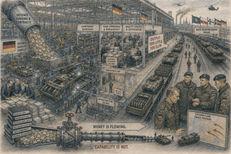
Russia’s war against Ukraine, uncertainty about American commitments and years of underinvestment have exposed serious military capability gaps. NATO’s rearmament drive is therefore not optional.
The danger comes when defence becomes the overriding budget priority and development funding is treated as expendable.
Washington leaves a vacuum
The US retreat from development assistance makes European choices more consequential.
The dismantling of USAID has removed a major pillar of Western engagement in poorer and conflict-affected countries. DIIS argues that development assistance has long served purposes extending far beyond poverty reduction – supporting governance, stabilisation, health, education and relationships with partner countries.
If Europe cuts back at the same moment, the vacuum becomes much larger.
Military power cannot fix everything
The central warning is strategic rather than charitable.
Military spending can deter enemies and strengthen territorial defence, but it cannot address every source of insecurity affecting Europe. Political instability, weak institutions, poverty and violent conflict can generate migration pressures, humanitarian emergencies and opportunities for armed groups.
Development policy gives Europe tools for working on these problems before they become security crises.
Europe risks surrendering influence
There is also a geopolitical cost.
China, Russia and other powers compete for relationships across Africa and other parts of the Global South. Development cooperation provides European governments with access, partnerships and political credibility that military instruments alone cannot reproduce.
Cutting assistance could therefore save money in European budgets while handing competitors more room to operate.
The Global South sees the contradiction
Europe already struggles with accusations that its foreign policy applies different standards depending on where its immediate interests lie.
Slashing development budgets to finance European rearmament could deepen that credibility problem. Countries asked to support European positions on Ukraine and the international order may see a continent increasingly focused on protecting itself while reducing commitments elsewhere.
That makes coalition-building harder precisely when Europe needs partners in an increasingly contested global system.
Security needs more than weapons
DIIS does not argue against European rearmament. The problem is treating defence and development as competing alternatives.
Europe needs military capabilities capable of deterring direct threats while preserving civilian instruments that can address instability beyond NATO territory.
The challenge is therefore financial and political: governments must find ways to strengthen defence without stripping away other parts of their foreign-policy toolbox.
The hard lesson: Rearming Europe cannot mean abandoning the world
Europe urgently needs stronger armed forces, but military capability alone will not deliver the broader security it wants.
If governments finance today’s defence build-up by dismantling development engagement, they may close one vulnerability while opening another – becoming harder to attack at home but weaker at shaping events abroad.