World Center for Strategic Studies
From closed analysis to public debate
- MONTH
- YEAR

Germany Turns Inward: AfD Surge Threatens to Paralyse Europe
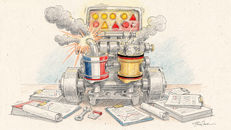
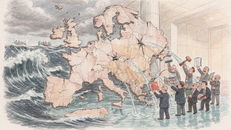
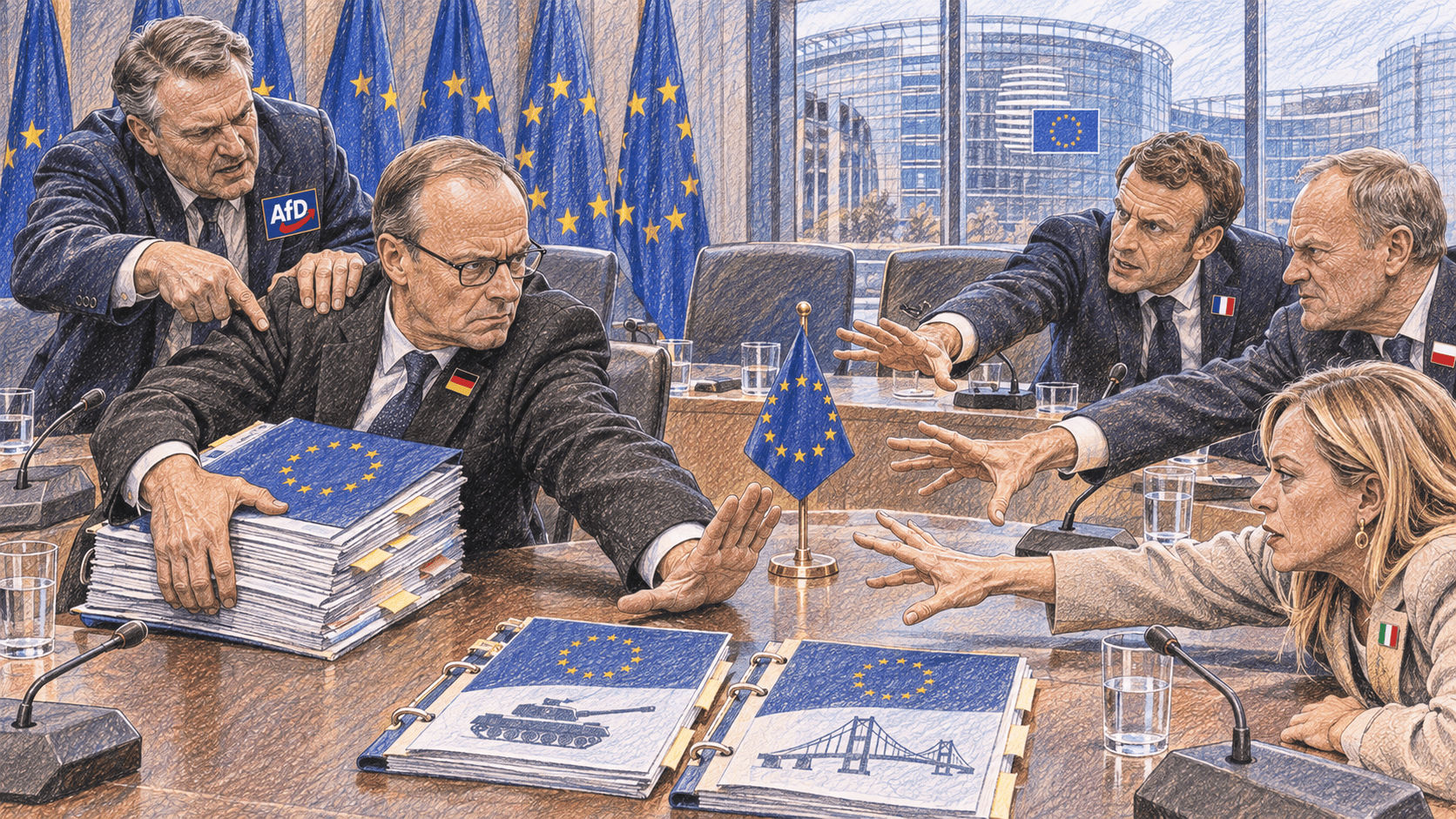
Europe’s biggest economy is becoming a political liability for the EU. Germany’s far-right Alternative for Germany (AfD) could emerge as the largest party in the 2029 Bundestag, threatening the foundations of European integration even without entering government. An ECFR policy brief by Piotr Buras, Jeremy Cliffe, Angela Mehrer and Jana Puglierin warns that economic stagnation, collapsing mainstream support and nationalist pressure are already transforming Berlin’s European policy. The real danger is not a German exit from the EU but something potentially more damaging – a powerful Germany that refuses to lead, blocks compromises and puts its own interests first.
Germany’s political centre is cracking
The CDU/CSU and SPD have lost much of their traditional electoral dominance, while the AfD has moved from the political fringes to the top of opinion polls.
The paper explores a plausible, not predicted, 2029 scenario in which the AfD becomes the Bundestag’s largest party. Mainstream parties could be forced into an unstable CDU/CSU-SPD-Green coalition, struggling to govern while the far right dictates the political agenda from opposition.
Even the longstanding refusal to cooperate with the AfD faces growing pressure, particularly in eastern Germany.
Industrial decline fuels the revolt
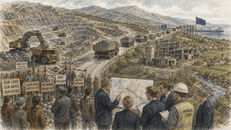
Germany’s economic model is losing its strength. Years of underinvestment, technological complacency and dependence on Chinese markets have left its manufacturing sector exposed.
The country is estimated to be losing around 15,000 industrial jobs monthly, while Chinese competitors increasingly challenge German carmakers.
Economic insecurity is strengthening nationalist politics and weakening public confidence in European integration.
Brussels loses its reliable heavyweight
Germany has traditionally helped hold the EU together through financial contributions, political leadership and difficult compromises.
That role is now under threat. Berlin increasingly challenges EU spending, environmental regulation and integration initiatives, while domestic coalition disputes undermine its ability to take clear positions.
A more nationalist Germany could demand a smaller EU budget, favour domestic companies and use its economic weight more aggressively against European partners.
Defence spending without European solidarity
Germany is projected to spend €152 billion on defence by 2029, potentially becoming Europe's dominant conventional military power.
But greater military strength may not translate into stronger European security.
Under pressure from the AfD, Berlin could increasingly favour German arms manufacturers over joint European projects and prioritise national defence over commitments to NATO's eastern flank.
The result could be a heavily armed Germany less willing to share the burdens of European security.
Russia gains from German hesitation
The AfD favours improved relations with Moscow and questions the financial costs of supporting Ukraine.
Although a complete return to Germany’s pre-2022 Russia policy remains unlikely, political fatigue and economic pressures could weaken Berlin’s commitment to sanctions, military assistance and long-term confrontation with the Kremlin.
A reduced American security role would make this uncertainty particularly dangerous for Poland, the Baltic states and Ukraine.
Europe must learn to act without Berlin
The ECFR authors argue that other European governments should stop treating German leadership as indispensable.
France, Poland, Italy and other partners must strengthen alternative coalitions capable of advancing defence, economic and institutional initiatives even when Berlin hesitates.
Existing arrangements, including the Weimar Triangle and smaller security partnerships, could provide foundations for more flexible cooperation.
The objective is not to isolate Germany but to prevent its domestic paralysis from becoming paralysis for the entire EU.
The uncomfortable truth: Europe's strongest country may become its biggest obstacle
The AfD does not need to capture the chancellery to reshape Europe's future. Its growing influence is already pushing German politics towards nationalism, reduced compromise and greater scepticism about European obligations.
For Brussels, the warning is stark. A Germany that remains inside the EU but increasingly refuses to support collective action could be more difficult to manage than an openly Eurosceptic outsider.
Europe must keep Berlin engaged while building the capacity to move without it. Otherwise, the political crisis of its largest member state risks becoming a crisis for the entire European project.