World Center for Strategic Studies
From closed analysis to public debate

- MONTH
- YEAR

Europe’s Fighter Dream Crashes: Berlin Walks Away
The IISS analysis delivers a harsh warning for European defence.
A flagship Franco-German-Spanish plan to build a next-generation fighter now looks broken.
The project was meant to prove Europe could act like a serious military power.
Instead, it has exposed the same old problem: national industry, political pride and strategic mistrust getting in the way of hard capability.
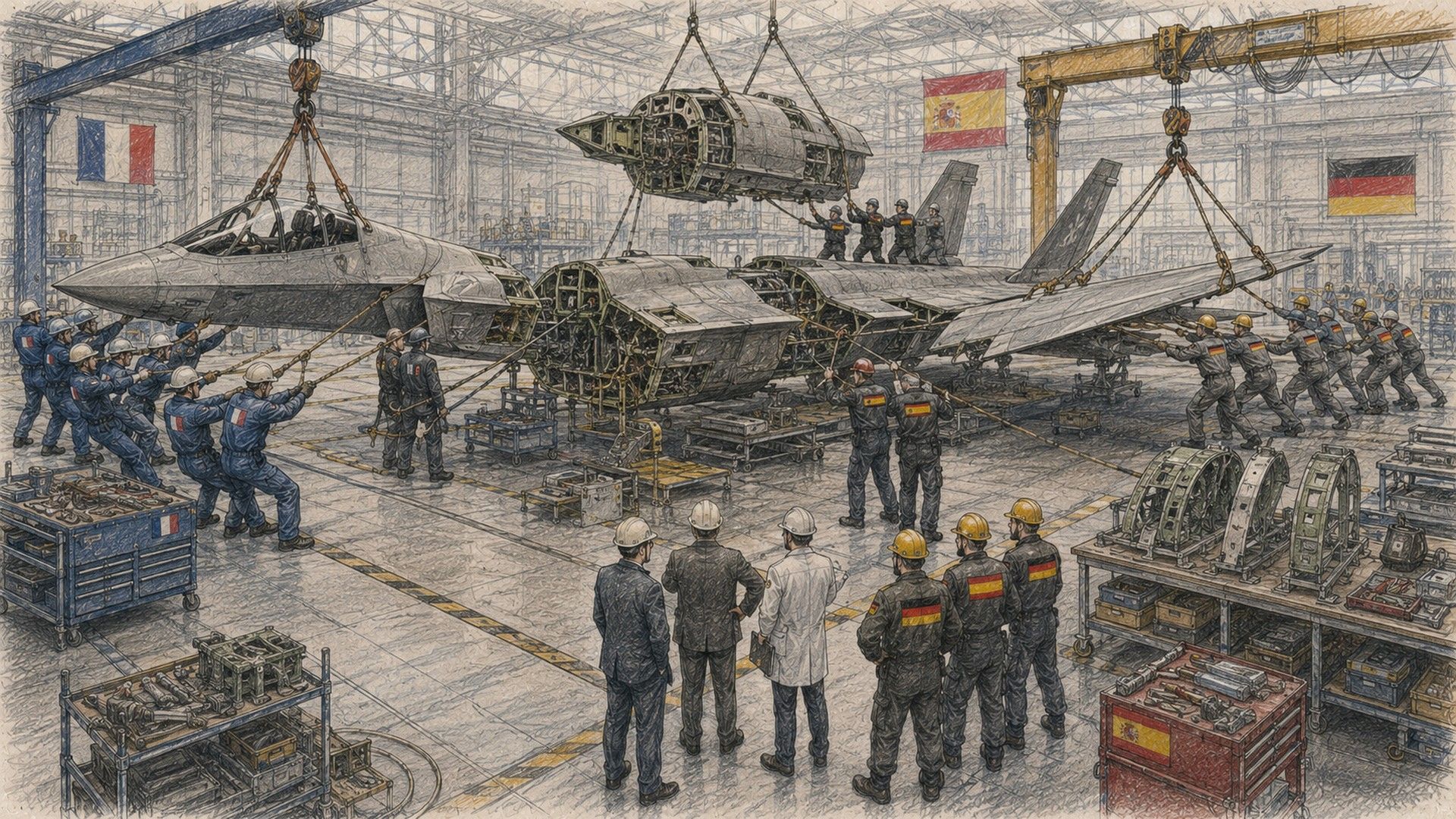
A European trophy project folds
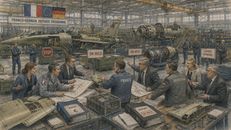
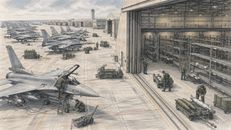
SCAF, known in English as FCAS, was supposed to be Europe’s great leap into future air combat. France, Germany and Spain would jointly develop the New Generation Fighter, linked to drones, sensors and a combat cloud.
That vision now looks badly damaged. Berlin’s move to end its role in the fighter element leaves the programme’s most visible symbol in ruins. For a project sold as proof of European sovereignty, the optics are grim.
Industry killed the dream
The collapse is not just about military requirements. It is about control. Dassault and Airbus could not settle the fight over leadership, workshare and technology.
France wanted to protect its fighter expertise and strategic autonomy. Germany and Spain did not want to bankroll a project while sitting in the passenger seat. The result is ugly: Europe’s defence giants could not agree on how to build the aircraft Europe says it urgently needs.
Paris loses leverage
For France, the damage is serious. SCAF was meant to secure the future beyond Rafale, preserve national combat-air know-how and keep Europe from sliding deeper into dependence on US systems.
Now Paris faces a tougher road. Going alone would be expensive. Finding new partners will be politically hard. Accepting a weaker role in another coalition would be a blow to French prestige.
Berlin looks elsewhere
Germany is not walking into a clean solution either. If Berlin turns towards other options, it still faces the same brutal questions: who leads, who pays, who owns the technology and when the aircraft actually arrives.
The British-Italian-Japanese GCAP programme may look tempting, but it already has its own schedule, partners and industrial balance. Germany may have left one fight only to enter another.
Spain is left exposed
Spain joined SCAF to secure a place in the top tier of European defence industry. The breakdown leaves Madrid caught between French ambition and German recalculation.
That matters because future combat-air programmes are not just about jets. They decide industrial jobs, supply chains, software, sensors, engines and influence for decades. Spain now has to defend its seat before the table is rearranged.
Deterrence takes the hit
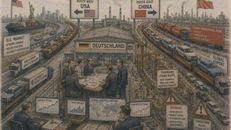
The timing could hardly be worse. Europe is under pressure to rearm, rebuild deterrence and reduce dangerous dependence on Washington.
Yet its most ambitious air-power cooperation has stumbled over governance and industrial rivalry. Russia will not wait while Europe argues over workshare. Nor will the United States keep pretending forever that European strategic autonomy means much if Europe cannot deliver its own flagship systems.
The ugly reality: Europe cannot fight tomorrow with slogans.
The IISS assessment shows a continent still struggling to turn ambition into hardware. Leaders talk about sovereignty, but the machinery of delivery keeps jamming.
SCAF was meant to be a symbol of European strength. It now risks becoming a symbol of Europe’s defence weakness – expensive, divided and late.