World Center for Strategic Studies
From closed analysis to public debate

- MONTH
- YEAR

Europe’s Free-Ride Ends: America Is Losing Patience
Defense Priorities’ op-ed delivers a blunt message from the US restraint camp: Europe must defend itself.
The trigger is Washington’s refusal to send Tomahawk missile forces to Germany, exposing a missile gap Berlin should have fixed years ago.
Spain’s call for an EU army is treated not as fantasy, but as overdue recognition that America may not always be there.
The uncomfortable point is clear: Europe had decades to prepare for this moment, and much of it chose comfort instead.
Washington pulls back
The paper argues that America should welcome European defense autonomy rather than fear it.
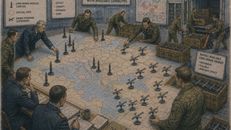
For Washington, the logic is cold. China is the bigger strategic threat. Iran and the Middle East are draining attention. Russia is stuck in Ukraine. Europe is rich, capable and long past the point where it can claim helplessness.
The message to allies is not polite: the US has higher priorities, and Europe can no longer expect American forces and taxpayers to cover the bill.
Germany’s gap is self-inflicted
The Tomahawk decision matters because it exposes Germany’s deep-strike weakness.
Berlin wanted protection from US missile forces, but the op-ed says the shortfall was not created in Washington. Germany had years to build land-based strike, air defense, drones, munitions and ready units.
Even after the huge Zeitenwende fund, Germany still looks underprepared. The paper’s judgement is harsh: the German army is less battle-ready now than when Russia’s full-scale war in Ukraine began.
Europe lived off US muscle
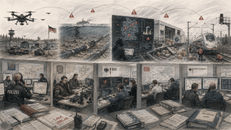
The wider charge is even bigger. Much of Europe has spent decades relying on American logistics, intelligence, command systems and hard power while underinvesting in its own forces.
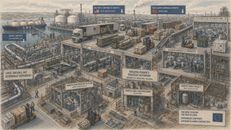
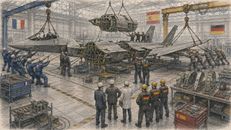
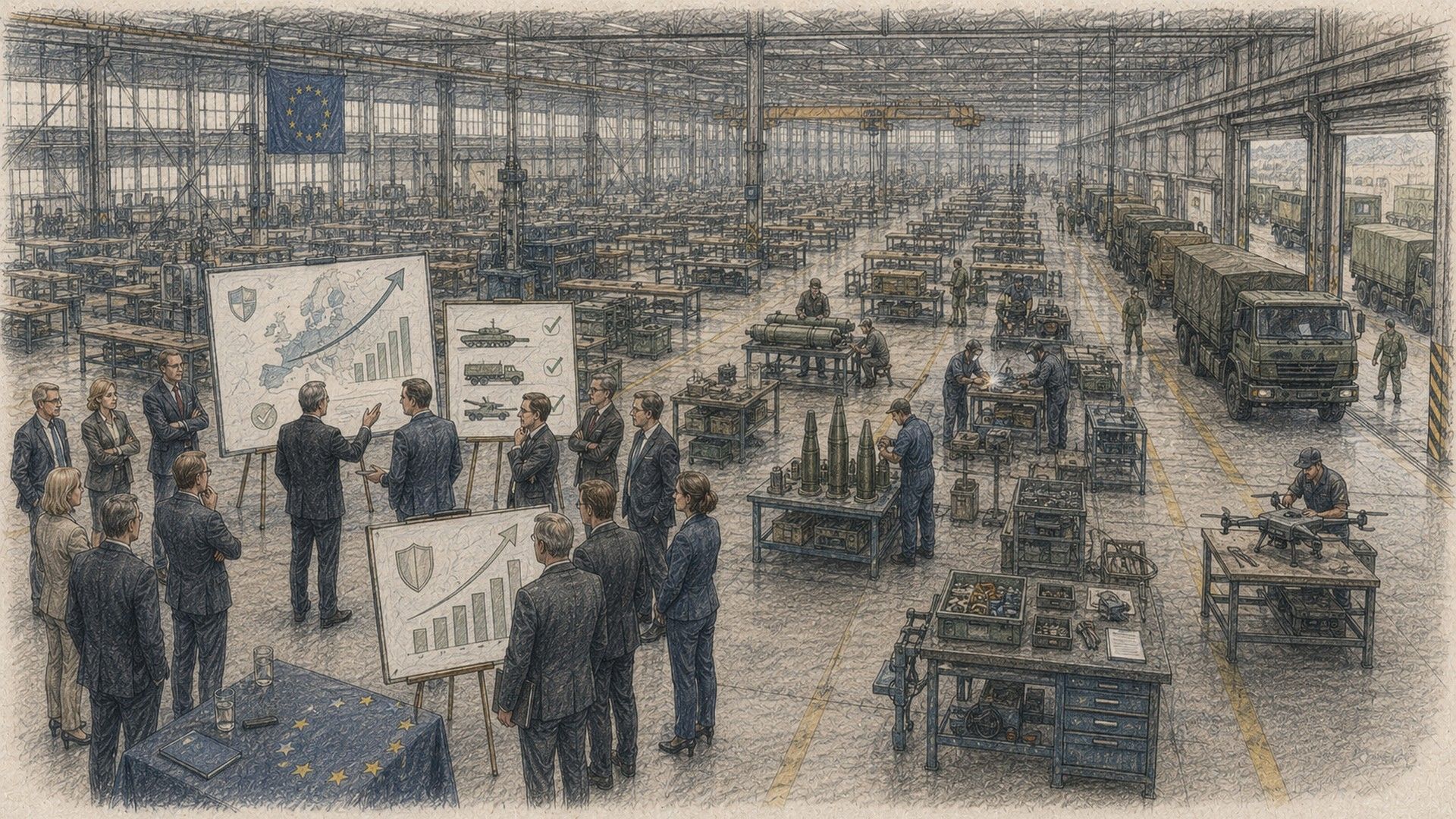
This is not just a spending problem. It is an industrial problem. A serious European defense system needs factories that can produce artillery shells, missiles, drones and integrated air defense at scale.
Paper targets do not deter Russia. Production lines do.
The east understands the danger
The op-ed gives credit where it sees urgency. Poland, Finland and the Baltic states are treated as countries that understand the threat and are moving faster.
The harsher verdict is aimed at Western and Southern Europe. Too many governments are still emerging from a holiday from history, shocked that security now costs real money and forces real choices.
Russia’s war should have ended the excuse-making. Instead, much of Europe is still negotiating with reality.
NATO made Europe lazy
The critique is not only aimed at Europe. Washington also gets blamed for sending mixed signals.
For decades, America demanded higher NATO spending while resisting real European independence. That kept Europe dependent and kept Washington tied to a continent it increasingly wants to leave.
Defense Priorities wants that contradiction ended. Stop asking Europe to do more while blocking its autonomy. Step back and force the burden shift.
Autonomy means fewer excuses
A more independent Europe might buy fewer American weapons. It might refuse to follow Washington on every foreign policy fight. The op-ed accepts that.
But the alternative is worse for the US: a rich continent that still cannot defend itself and still expects American power to fill every gap.
That bargain is breaking. European autonomy is no longer a threat to Washington. It is the exit door.
The hard lesson: Europe must pay for its own shield.
The paper’s warning is ruthless but simple. If deterrence fails in Europe, it will not be because Washington finally got tired. It will be because European governments saw the gaps, named the gaps and still failed to close them.
America is moving on. Europe can build power, or it can keep begging for cover.
The free ride is ending either way.