World Center for Strategic Studies
From closed analysis to public debate
- MONTH
- YEAR

Germany’s Two-Speed Crisis: The AfD Feeds on a Future the East Fears
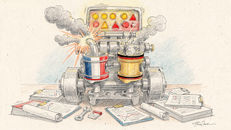
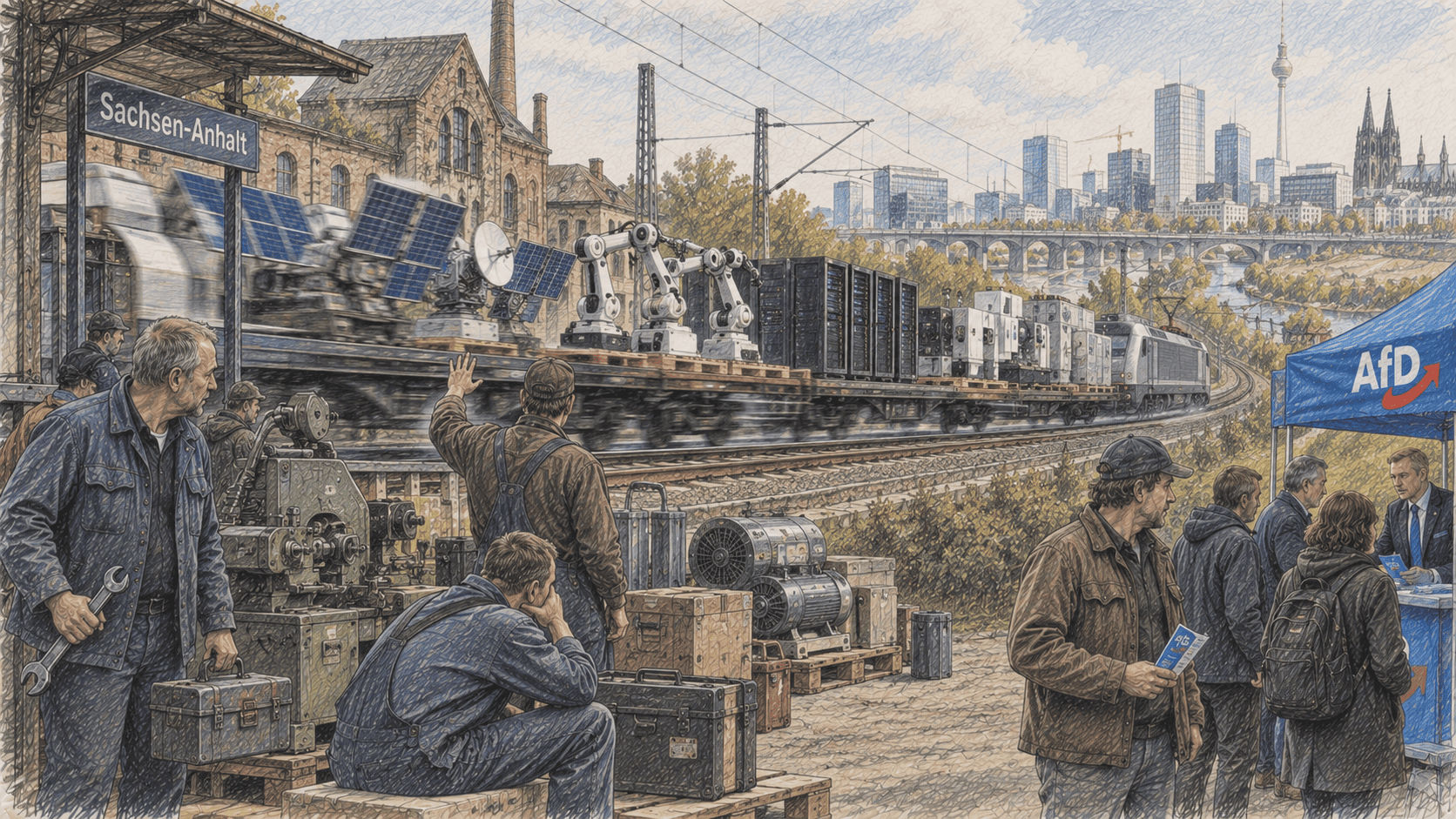
Germany can launch satellites into orbit, attract billions into start-ups and build cutting-edge industries – yet millions of voters still feel the country’s future has nothing to offer them. The National Interest argues that the AfD’s historic victory in Saxony-Anhalt exposes this dangerous split between a Germany reinventing itself and regions still scarred by decades of economic decline.
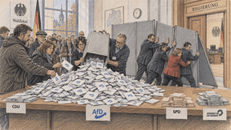
More than 44 per cent backed the AfD in the eastern state, handing the party its first state-election victory. Unless Berlin spreads the gains from Germany’s next economic transformation, political anger could turn regional alienation into a national threat.
Germany’s old model is dead
The economic bargain that powered Germany for years – cheap Russian energy feeding industry and high-value exports flowing to China, America and elsewhere – is finished.
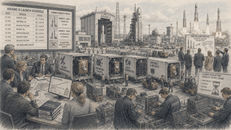
Its replacement will revolve around AI, automation, defence technology, advanced manufacturing and new companies. German start-ups attracted €7.2 billion in venture capital last year, including a record €2.9 billion for AI.
But innovation concentrated around prosperous centres such as Munich will not solve Germany’s political crisis.
The East already paid once
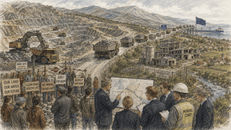
Saxony-Anhalt carries the scars of reunification. Factories disappeared after communism collapsed, jobs vanished, younger workers moved west and communities shrank.
The state now has Germany’s oldest population, with a median age of 48.3, while unemployment remains significantly above the national level. Manufacturing losses since 2022 have added another layer of insecurity.
For voters who endured one enormous economic upheaval, promises of another transformation can sound less like progress and more like another warning that their livelihoods are expendable.
Berlin fuelled the backlash
The 2015 refugee crisis intensified the resentment. Communities watching factories close and public services deteriorate saw the German state suddenly mobilise huge resources to house and support newcomers.
The commentary argues that this reinforced a damaging belief that Germany’s political and economic establishment could act decisively – just not for them.
Since then, expensive energy, Chinese industrial competition and US tariffs have made the squeeze worse.
The AfD sells yesterday as tomorrow
The AfD has exploited this insecurity by offering voters something emotionally powerful but economically dangerous – the promise that Germany can turn back the clock.
Alice Weidel advocates leaving the EU and euro while rebuilding economic ties with Moscow. Yet an Institute for the German Economy estimate cited in the piece suggests a Brexit-style German departure from the EU could wipe €690 billion from economic output and cost 2.5 million jobs over five years.
For a movement thriving in regions traumatised by disappearing jobs, that is a striking contradiction.
Moscow is no rescue plan
The AfD’s nostalgia for cheap Russian energy creates an equally uncomfortable problem.
Germany cannot simply resurrect the relationship with Moscow that once helped power its industrial machine. Russia is now confronting Europe, while German authorities recently blamed it for an attempted attack involving an explosive-laden drone near a Ukrainian aircraft at Leipzig/Halle Airport.
Going back to strategic dependence on Russia would not restore the old Germany – it could expose the new one.
Prosperity must escape the winners
The National Interest’s answer is not to stop Germany’s transformation but to spread it. Berlin and private industry need to push factories, investment and productive employment into places such as Saxony-Anhalt.
Germany needs new companies and wealth simply to finance the pensions, healthcare and security costs of an ageing society. But if those opportunities remain concentrated in already successful regions, economic renewal could deepen political division rather than heal it.
What this reveals: Germany cannot modernise half the country
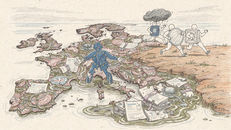
The AfD victory is a warning that technological success means little politically when communities believe they are being left behind.
Germany has proved it can build the industries of tomorrow. Its much harder task is convincing eastern voters that tomorrow belongs to them too.